Think Like a Park Ranger, Not a Strip Mall Tenant: A Stewardship Audit for Your Website
Drive down any commercial strip in America and you'll spot the pattern: a building goes up fast, businesses rotate through it, the paint peels, and eventually a bulldozer clears the lot for whatever comes next. Nobody grieves a strip mall. It was never meant to last.
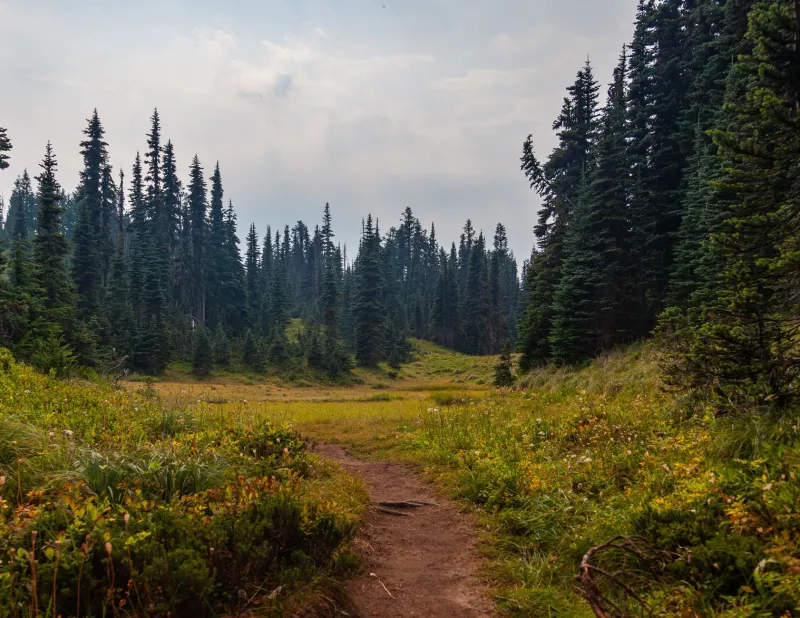
Now think about the national parks. Yellowstone has been around since 1872, and it's still here because thousands of people treat it like it matters. Rangers patrol it. Crews repair trails on a schedule. There's a budget line for preservation, not just for keeping the lights on.
Most small business websites are built like strip malls and maintained like them too — which is to say, not at all. We think that's a choice worth reconsidering.
The Throwaway Mentality Is Expensive
Here's how the strip mall approach usually plays out. A template site gets thrown up in a weekend. It auto-renews year after year while nobody looks at it. Content goes stale. Plugins fall out of date. Then, five or six years in, something breaks, panic sets in, and the owner pays for a full rebuild from scratch.
That rebuild costs real money — often several thousand dollars — and the new site starts the exact same decay cycle. It's the digital equivalent of demolishing the strip mall and putting up an identical one next door.
Park stewards don't work that way. They assume the asset is permanent and plan around that assumption. Trails get resurfaced before they wash out. Visitor feedback shapes what gets fixed first. The budget exists every year, not just in crisis years.
What a Steward Actually Does
The ranger mindset boils down to three habits:
Scheduled maintenance, not reactive repair. Rangers don't wait for a bridge to collapse before inspecting it. Your website needs the same rhythm — software updates, backups, link checks, and security scans on a calendar, not on-demand when something's smoking.
Visitor feedback loops. Parks survey the people walking through them. When did you last ask a customer what's confusing about your site? A two-question email to five recent clients will teach you more than a month of guessing.
A preservation budget. Not a rebuild fund — a maintenance fund. A few hundred dollars a year, spent steadily, protects the asset you already paid for.
Run Your Own Stewardship Audit
Grab fifteen minutes and grade yourself on these five questions. Honest answers only.
-
When did your site last get a checkup? If you can't name the month, you're a tenant, not a steward. Stewards know their maintenance history.
-
Do you know what happens when it breaks? A ranger knows who to call and how fast the response comes. Do you have a person, a plan, and a phone number — or just a support email you've never tested?
-
When did the content last change? A park with overgrown trails stops getting visitors. If your last blog post or update predates your last price change, customers notice.
-
Could a new employee find the keys? Domain registrar, hosting login, CMS credentials. If that information lives in one person's head, your park has a single point of failure.
-
Is there a line in the budget for upkeep? Even a small one. If the answer is zero, you've already decided the site is disposable — and your spending will eventually reflect that.
Score four or five yeses and you're running a well-kept operation. Two or three means the trails need work. Zero or one? You're managing a strip mall, and the demolition bill is coming.
The Long Game Pays
Here's the part nobody puts on a sales page: a maintained website gets better with age. Search engines reward fresh content and fast load times. Customers trust a site that clearly gets attention. And the compounding knowledge of your own analytics — what works, what doesn't — is worth more than any redesign.
Parks didn't become America's best-loved places by accident. They became that way because somebody decided, early on, that they were worth keeping. Your website can be one of those places. It just needs a ranger.
If your audit came back ugly, don't panic and don't rebuild. Start with a maintenance schedule — even a simple quarterly one — and go from there. The Grand Canyon wasn't preserved in a weekend either.