Widen the Path, Don't Pave the Interstate: A Case for Small Website Projects
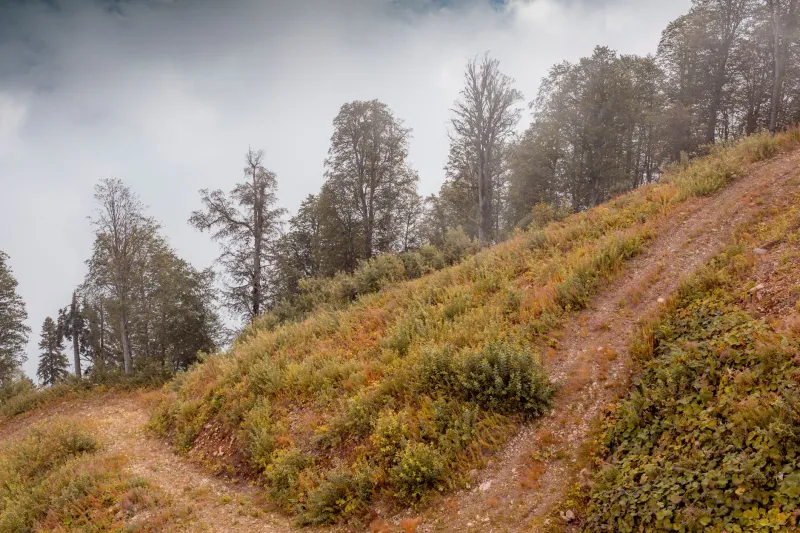
There's a certain type of business owner who shows up every spring with the same idea: the website needs a total redo. New design, new platform, new everything. It's the digital equivalent of deciding your gravel driveway should be an eight-lane interstate.
We get it. After a few years of looking at the same homepage, a full redesign feels like the answer. But in our experience, most small businesses don't need a highway. They need a well-maintained trail — and the difference between the two is where budgets go to live or die.
What Trail Maintenance Actually Looks Like
Hikers know this instinctively. Good trails don't get built in a day, and they don't get abandoned the moment they're finished. They follow routes people already want to walk. They get widened where traffic increases. Drainage gets fixed after every storm season. Nobody rips up the whole path and reroutes it because someone had a big idea at a planning meeting.
Your website should work the same way. Instead of a six-month redesign that eats your budget and your patience, you make steady, deliberate improvements: clarify the page visitors actually land on, speed up the checkout flow, rewrite the confusing paragraph on your services page. Small moves, measured results.
The best part? A trail project never leaves you with nothing. If the redesign stalls at month four, you've got a half-finished mess and a drained bank account. If your incremental improvements stall at month four, you've still got a functioning website that's better than it was in month one.
The Highway Trap
Highway-style projects — the big rebuilds — have a predictable life cycle. Month one is exciting. Month two involves scope creep. Month three involves a conversation with your designer about why the timeline slipped. Month six, you launch something beautiful that nobody on your team knows how to update.
Then the real problem starts: upkeep. A big custom build often comes with big custom maintenance. Plugins that need hand-holding, a framework only your original developer understands, hosting requirements that cost twice what you budgeted. Six months later, you're afraid to touch your own website, and the whole thing starts slowly decaying — the exact outcome the redesign was supposed to prevent.
We've watched this movie enough times to know the ending. The business that improved one page a month for a year usually ends up with a better site than the one that blew the whole year's budget on a launch party.
A Simple Test: Fix or Rebuild?
So when do you actually need the highway? Run your situation through these four questions:
- Is anything structurally broken? If your site is insecure, unsupported, or runs on technology your host is retiring, a rebuild might be unavoidable. Safety first, even on trails.
- Do you know what's actually wrong? If you can't name the specific problems — slow load times, confusing navigation, outdated pricing — a redesign is just an expensive guessing game. Fix the named problems first.
- Who's going to maintain it? Be honest. If the answer is "nobody," a simpler site you can update yourself beats a fancier one you can't.
- Can you fund the upkeep, not just the launch? Whatever you budget to build, plan on spending a meaningful slice of that every year to keep it healthy. If you can't, scale the project down until you can.
Three or four "no" answers? You're a trail project. Start small, start now.
Your First Three Trail Improvements
If you're ready to skip the grand rebuild, here's a starter loop that pays off quickly:
- Fix the path people already walk. Look at your analytics. Whatever page gets the most traffic — usually your homepage or a top service page — deserves your attention first. Small clarity improvements there beat a redesign of pages nobody visits.
- Cut the dead weight. Old plugins, unused pages, that blog from 2019 with three posts. Less stuff means less to maintain, faster load times, and fewer places for problems to hide.
- Write down your upkeep budget. Even a modest monthly line item for updates, backups, and checkups changes how you think about the site. It stops being a one-time purchase and starts being what it actually is: a living part of your business.
The Long Game
The businesses with the best websites aren't the ones with the flashiest launches. They're the ones that showed up month after month, widening the path a little at a time, fixing the washouts before they became canyons.
A trail that's tended beats a highway that's abandoned every single time. Your future self — the one not staring down a five-figure rebuild — will thank you.